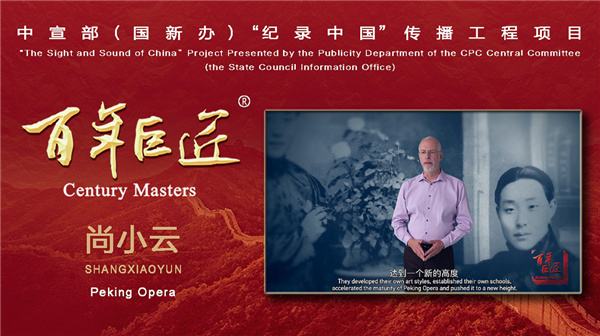
Shang Xiaoyun
Introduction
Shang Xiaoyun (1900-76) stands as one of the most esteemed figures in the realm of Peking Opera, an art form deeply entrenched in Chinese cultural heritage. Recognized as one of the "Four Great Dan" alongside Mei Lanfang, Cheng Yanqiu, and Xun Huisheng, Shang Xiaoyun's legacy is marked by his mastery of the "dan" roles—female roles traditionally performed by male actors.
During the golden age of Peking Opera in the early 20th century, Shang Xiaoyun gained prominence not only for his dynamic presence on stage but also for his contributions to the evolution of the opera form itself. His dedication to the art form and his innovative techniques have left an indelible mark on Peking Opera, influencing countless performers and preserving the cultural significance of this traditional art.
Early Life
Shang Xiaoyun was born in 1900, a time when the art form was flourishing with creativity and competitive spirit. Much like his contemporaries in the "Four Great Dan", his early life was marked by rigorous training and dedication to his craft, which was common among those who aspired to the high standards of Peking Opera performance. Beginning his journey in the world of opera as a martial arts character, Shang Xiaoyun quickly distinguished himself with a performance style emblematic of strength and vigor. His proficiency in depicting valorous and noble female characters set him apart from his peers, paving the way for his future prominence in the Peking Opera scene.
Career
Beginnings in Peking Opera
Shang Xiaoyun's entrance into the world of Peking Opera was rooted in the traditional practice of "nandan", where male performers would portray female roles. His early performances were characterized by a strong foundation in martial arts, which allowed him to bring a dynamic physicality to his roles. Over time, he developed a reputation for his commanding presence and his ability to convey the complex emotions of his characters, which became a hallmark of his style.
Rise to Prominence
The ascent of Shang Xiaoyun in the Peking Opera world occurred during a highly competitive period, where performers were often judged by their ability to innovate and captivate audiences. In 1927, the Shuntian Times' contest for dan performers in Beijing solidified his status as one of the leading figures in the field. His placement alongside Mei Lanfang, Cheng Yanqiu and Xun Huisheng in this contest helped to establish the "Four Great Dan", a title that would define his career and cement his influence in the opera community. Throughout his career, Shang Xiaoyun continually refined his technique and expanded his repertoire, ensuring his performances remained both fresh and deeply rooted in traditional practices.
Innovations and Contributions
Shang Xiaoyun's contributions to Peking Opera extend beyond his performances. His style, known as "bang", was reflective of his ability to introduce new elements to traditional roles, all while maintaining the integrity of the art form. He was particularly adept at integrating emotional depth with physical prowess, a combination that brought new life to the roles he portrayed. His ability to portray strong, heroic female characters challenged existing norms and added a layer of complexity and richness to Peking Opera narratives. This innovative approach not only captivated audiences but also inspired future generations of performers to explore and expand their artistic expressions within the genre.
Legacy
Shang Xiaoyun's legacy is deeply intertwined with the evolution and preservation of Peking Opera as a cultural art form. His work as one of the "Four Great Dan" has left a lasting impact on the style and execution of dan roles, ensuring that his techniques and insights continue to be studied and emulated by performers today. As a representation of excellence in Peking Opera, his influence extends beyond performance, shaping the educational frameworks and methodologies used to train new talent in the field. The styles and methods pioneered by Shang Xiaoyun and his contemporaries have become foundational elements in the curricula of Peking Opera schools, ensuring the perpetuation of their artistry for future generations.








